
Global Collaborator
1.7A
Global Connections – Students use digital tools to connect with peers from a variety of backgrounds recognizing diverse viewpoints and broadening mutual understanding.
ARTIFACT
Collaboration for Cause
Bridging the Income Gap with AI
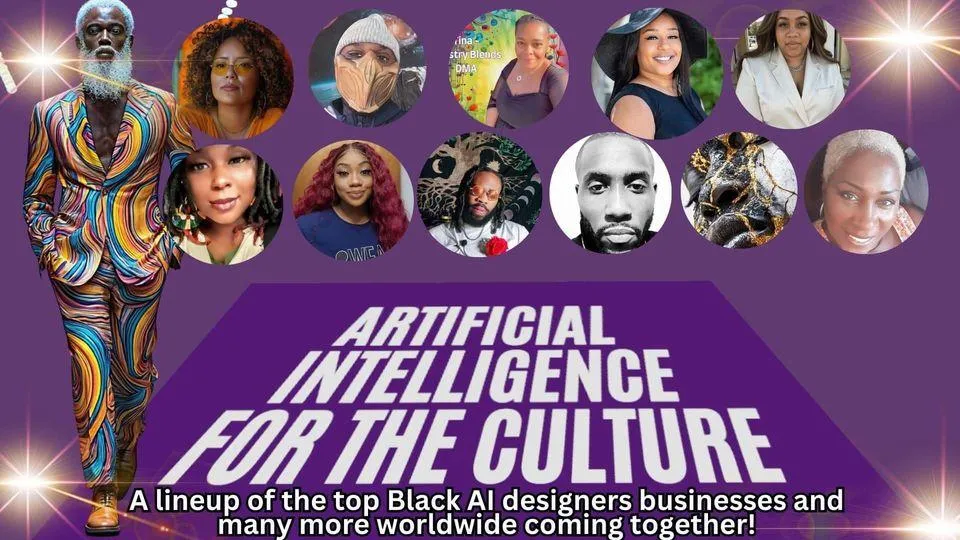
Innovative Collaboration
Participating in the "AI for Culture" panel, focused on leveraging artificial intelligence for creative business ventures and social impact, proved a highly rewarding experience. The discussion centered on innovative income generation strategies to support the crucial task of rebuilding and reteaching Black history to children, using AI art as a central tool. The panel, comprised of business owners actively employing AI in their creative endeavors, explored various avenues, from the creation and sale of AI-generated artwork and educational materials to the development of interactive learning platforms utilizing AI-powered storytelling and personalized learning experiences. The shared goal was not merely to generate revenue, but to develop sustainable models that ensure accessibility and equity in the dissemination of accurate and engaging Black history for the next generation. The potential of AI to address historical injustices and promote inclusivity through creative and economically viable means was a recurring and inspiring theme throughout the insightful exchange.
ARTIFACT
Mastermind Strategy Call
1.7B DATA
Multiple Viewpoints – Students use collaborative technologies to work with others, including peers, experts and community members, to examine issues and problems from multiple viewpoints.
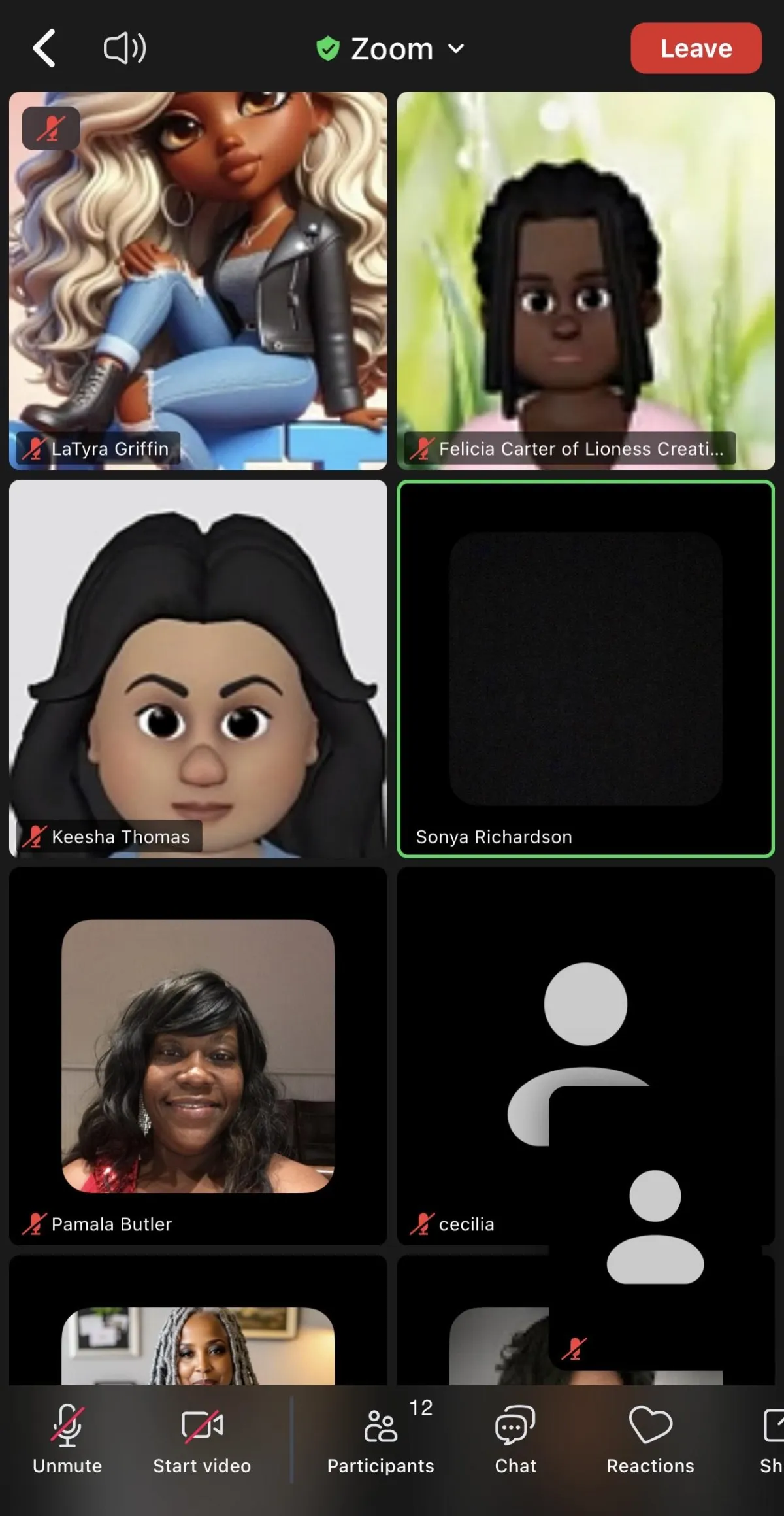
Zoom Meet for Academy Six Mastermind call.
Mastermind Call via Zoom Discussing Team Strategy and Sales
The modern academic landscape increasingly emphasizes collaborative learning, recognizing that complex issues rarely yield to singular perspectives. The utilization of collaborative technologies, particularly video conferencing platforms like Zoom, facilitates this shift, enabling students to engage with peers, experts, and community members in dynamic discussions that foster a rich understanding of multifaceted problems. The "Academy Six Mastermind" call, a hypothetical example, serves as a compelling illustration of how Zoom meetings can effectively cultivate multiple viewpoints in an academic setting.
One key advantage of using Zoom for such a call lies in its ability to transcend geographical limitations. Students from diverse backgrounds and locations can participate simultaneously, bringing to the table a wider range of experiences and perspectives. This geographical diversity is crucial in fostering nuanced understanding, particularly when addressing issues with global implications, such as climate change, economic inequality, or political polarization. The interactive nature of Zoom, with its features like screen sharing, breakout rooms, and chat functions, allows for a more engaged participation than traditional, passive learning environments. Students can actively contribute their ideas, challenge existing assumptions, and engage in real-time dialogue with their peers, fostering critical thinking and collaborative problem-solving skills.
Furthermore, the Academy Six Mastermind call can leverage Zoom to incorporate the expertise of professionals and community members beyond the immediate academic circle. Inviting guest speakers – experts in relevant fields or individuals directly impacted by the issue under discussion – provides valuable insights and alternative viewpoints. This interaction with practitioners and stakeholders offers students a practical application of theoretical knowledge, bridging the gap between academic learning and real-world implications. For example, a discussion on urban planning might benefit from the input of an architect, a city planner, and a community resident, each offering a distinct perspective on the challenges and opportunities involved.
However, the effective utilization of Zoom for fostering multiple viewpoints requires careful planning and moderation. The facilitator's role is crucial in ensuring equitable participation, managing the flow of conversation, and prompting students to engage with differing opinions constructively. The potential for dominance by certain individuals or the emergence of unproductive arguments needs to be proactively addressed.
References
1.7C
Project Teams – Students contribute constructively to project teams, assuming various roles and responsibilities to work effectively toward a common goal.
ARTIFACT
$1k in 7Days Challenge
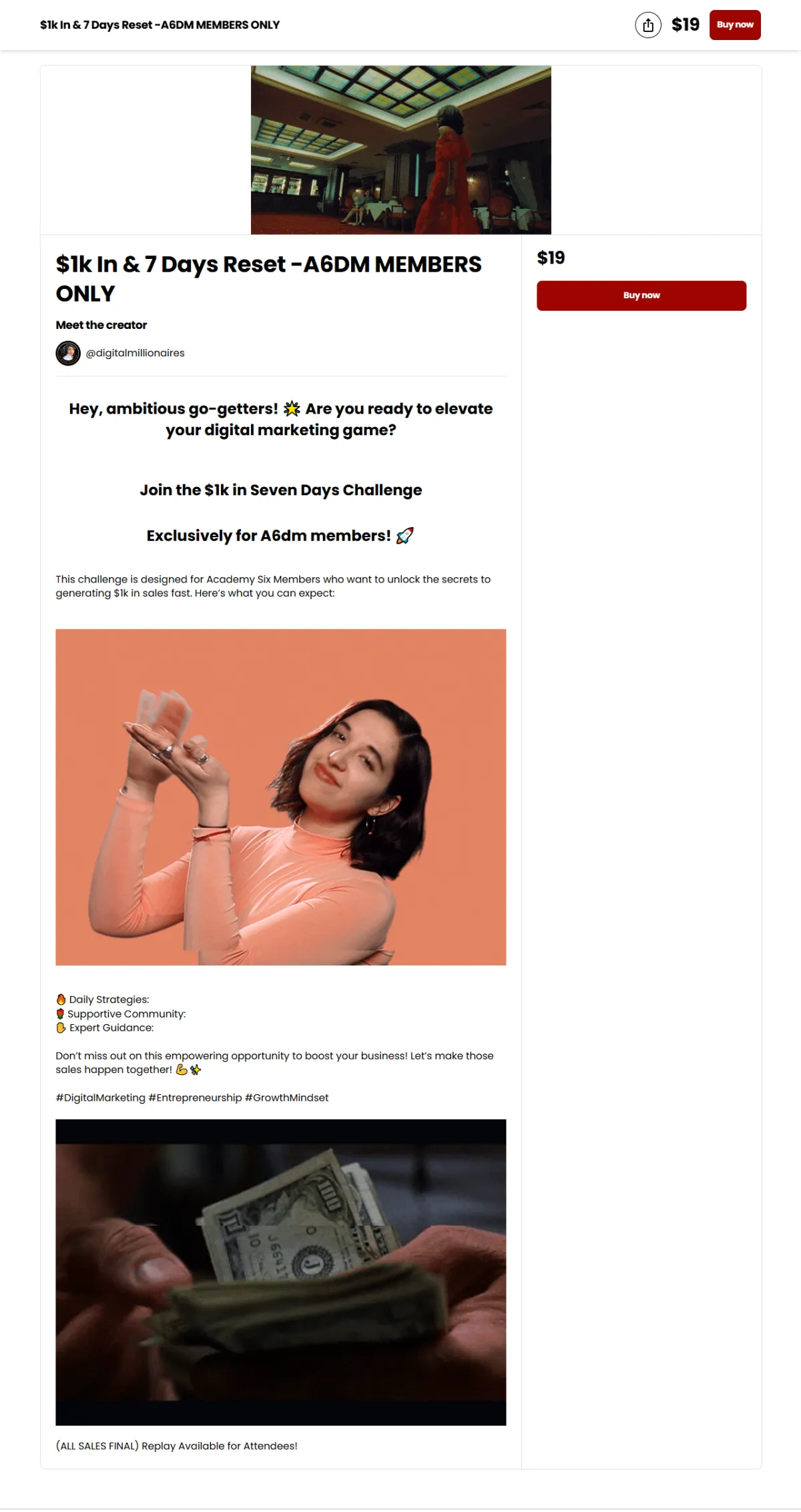
Custom Challenge for Digital Marketers where they learn to scale as newbies by implementing edification strategies
Custom Challenge Creation
Seven days to a thousand dollars! It sounds crazy, right? But my "DM Domination: Edification & $1k Challenge" proved it possible! This wasn't just about making money; it was about building a community fueled by mutual empowerment and strategic direct messaging.
The core concept was simple, yet powerfully effective: edification through branding and sales. Participants weren't just competing; they were collaborating. Each day brought a new lesson, from crafting killer brand narratives to mastering persuasive DM copy. We tackled everything from identifying ideal clients to crafting irresistible offers. We even dissected successful DMs, learning from both triumphs and (very important!) failures.
But here's the magic: the challenge wasn't a solo mission. Participants were encouraged – expected – to engage with each other. They offered constructive criticism, shared their wins, and celebrated each other's successes. This collaborative spirit was key. A participant struggling with their brand message got invaluable feedback, refining their pitch and ultimately closing more deals. Someone mastering compelling copy shared their techniques, boosting everyone's success rate.
The $1,000 goal wasn't just a financial target; it was a shared aspiration, a collective victory. Watching participants help each other achieve that goal, seeing the genuine excitement and camaraderie, was unbelievably rewarding. It wasn't just about the money; it was about building confidence, sharpening skills, and forging connections. The challenge proved that edification, combined with strategic DM outreach, is an incredibly powerful tool for both personal and professional growth. And hitting that $1,000 mark within seven days? That was just the cherry on top of a wonderfully collaborative and successful sundae!
ARTIFACT
Education Disparities in 19th Century Vs. 20th Century
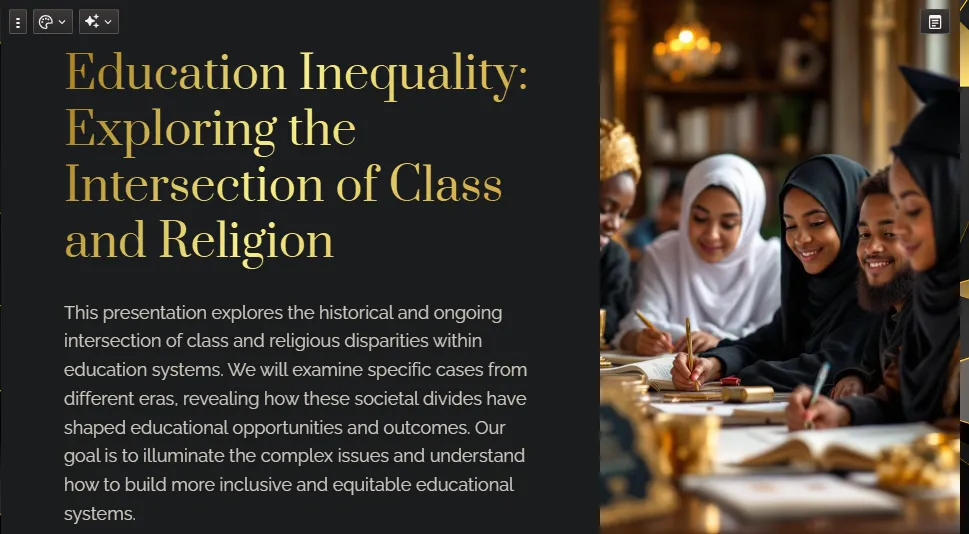
Systemic Discrimination in Education
1.7D
Local and Global Issues – Students explore local and global issues, and use collaborative technologies to work with others to investigate solutions.
Educational Disparities: A Historical Perspective
An In Class Assignment Required Us to Present on Topic of Education disparities by comparing two case studies from two different time periods. The Artifact Depicts and Describes Systemic Issues in India 19th Century and 20th Century Race and Discrimination.
Educational disparities, a persistent global issue, have their roots in systemic inequalities that have shaped societies for centuries. By examining two distinct case studies—British colonial education in 19th-century India and racial segregation in 20th-century America—we can illuminate the enduring nature of these challenges.
The British colonial education system in India, introduced through the Macaulay Minute of 1835, aimed to create a class of English-educated Indians to serve the British Raj. This policy, while ostensibly promoting education, marginalized traditional Indian education systems and cultural values. The emphasis on Western knowledge and language created a social divide, privileging those who could access elite education. The long-term consequences of this system included the erosion of indigenous knowledge systems, the perpetuation of colonial power structures, and the marginalization of many Indians from opportunities for social and economic advancement.
In the United States, racial segregation in schools was a cornerstone of Jim Crow laws. The "separate but equal" doctrine, established by the Supreme Court's 1896 decision in Plessy v. Ferguson, legalized racial segregation in public facilities, including schools. African American students were denied access to quality education, limited to substandard schools with inadequate resources. This systemic discrimination perpetuated educational disparities and hindered the social and economic progress of African Americans.
The landmark Supreme Court case Brown v. Board of Education in 1954 marked a turning point in the struggle for racial equality in American education. The Court's decision declared that "separate educational facilities are inherently unequal," striking a blow against segregation. While the ruling was a significant victory, the implementation of desegregation was slow and often met with resistance. The legacy of segregation continues to impact American education today, as evidenced by persistent achievement gaps between white and Black students.
Both case studies reveal the power of education as a tool for social control and social mobility. In 19th-century India, the British used education to consolidate their colonial rule and to create a class of loyal subjects. In 20th-century America, racial segregation was employed to maintain white supremacy and limit the opportunities of African Americans.
While these historical examples offer valuable insights, it is crucial to recognize that educational disparities persist in various forms around the world. Factors such as socioeconomic status, gender, and disability continue to influence access to quality education. Addressing these challenges requires a multifaceted approach that involves systemic reforms, increased investment in education, and a commitment to equity and social justIce.
REFERENCES
Brubaker, Rogers. “The Uses of ‘Ethnicity’.” Ethnic and Racial Studies, vol. 24, no. 4, 2001, pp. 547–67, doi:10.1080/01419870120068322.Cornell, Stephen, and Douglas Hartmann. “Ethnicity: An Elusive Concept.” Ethnopolitics, vol. 3, no. 2, 2004, pp. 233–49, doi:10.1080/1468618042000207357.Smith, Anthony D. Nationalism and Modernism: A Critical Survey of Recent Theories of Nationalism. Routledge, 1998.
Call (818)308-5841
Email:[email protected]